


Su línea de envasado ha estado masticyo correas de distribución de caucho cada seis meses. Un proveedor sugiere cambiar al poliuretano y promete una vida útil tres veces mayor. Te ajustas a uno y te lo entrega. Animado, colocas una correa de poliuretano en el motor de una furgoneta de reparto. Tres semanas después, está hinchado, ruidoso y al borde del fracaso. ¿Qué salió mal? En realidad, nada: el material simplemente nunca estuvo destinado a esa aplicación. Las correas de distribución de poliuretano y caucho no son actualizaciones intercambiables. Están diseñados para diferentes entornos operativos y la elección correcta depende de la temperatura, la humedad, los productos químicos, la carga y la precisión.
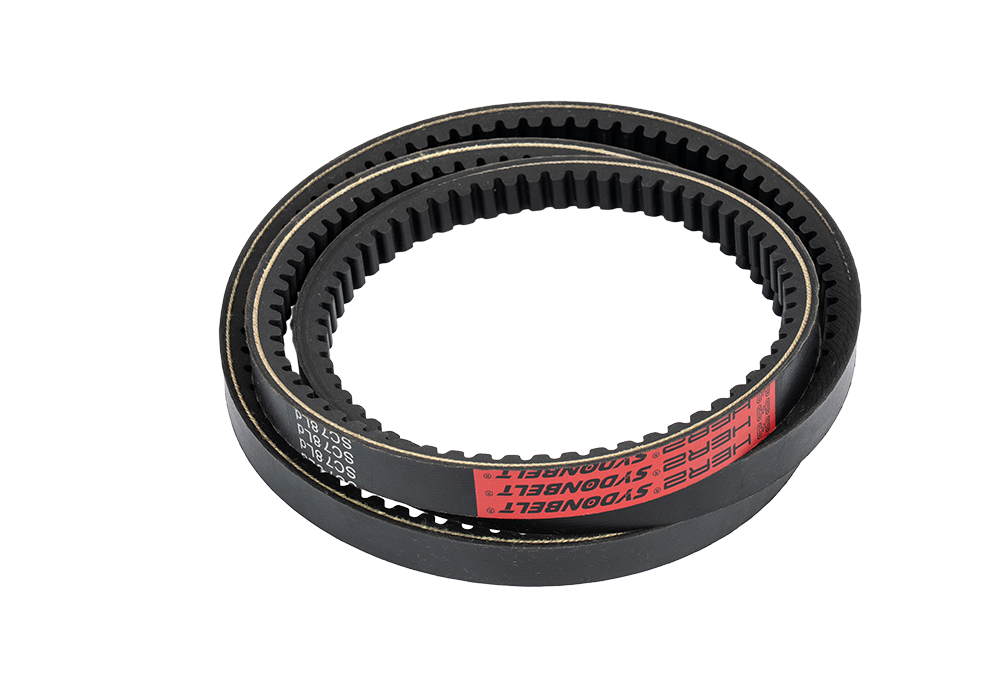
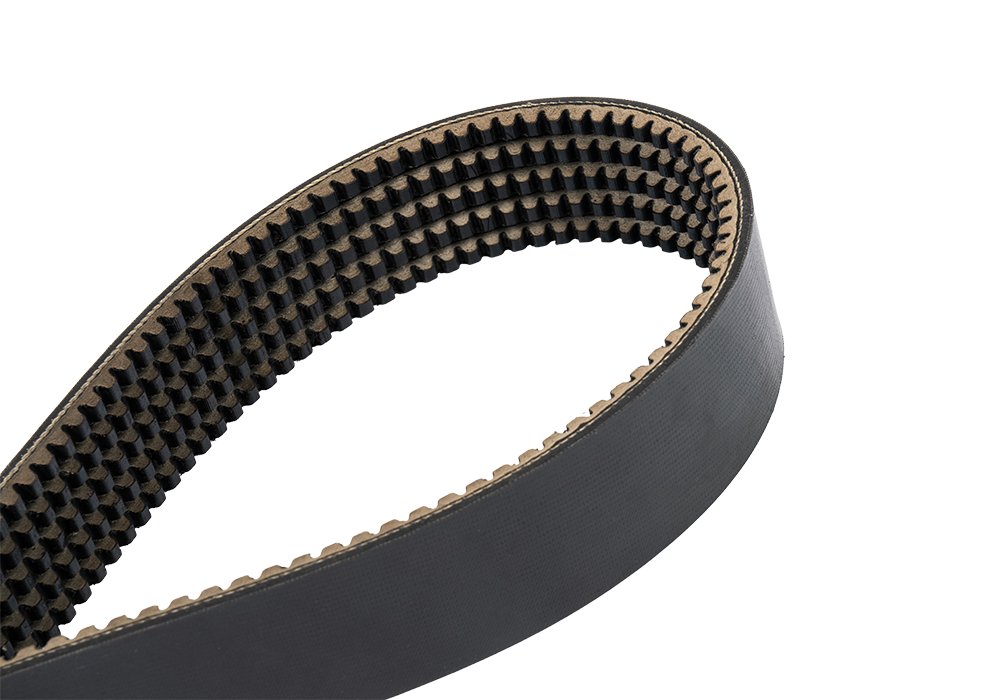
Las correas de distribución de caucho se construyen a partir de elastómeros vulcanizados, generalmente neopreno (CR) o caucho de nitrilo hidrogenado (HNBR), reforzados con cordones de tracción de fibra de vidrio y revestidos con tela de nailon. La vulcanización entrecruza las cadenas de polímeros, dando a la correa elasticidad, resistencia al calor y estabilidad dimensional. Los cordones de fibra de vidrio mantienen un estiramiento bajo para que los dientes permanezcan al mismo tiempo que las ruedas dentadas, mientras que el revestimiento de nailon protege la superficie del diente del desgaste. Esta es la familia de materiales utilizada en los sistemas de sincronización de motores de automóviles en todo el mundo.
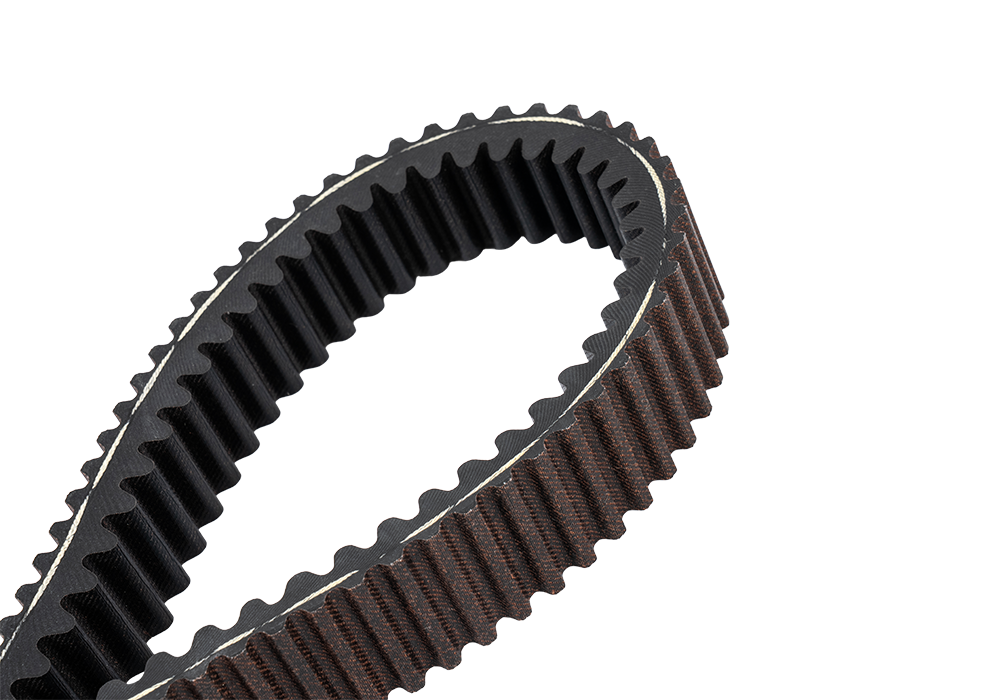
Las correas de distribución de poliuretano están hechas de poliuretano termoplástico (TPU), generalmente con cordones de tracción de acero o aramida. Debido a que el TPU es termoplástico, la correa se moldea por inyección o se extruye en lugar de curarse en una prensa. El resultado es una correa más dura y rígida con un alargamiento muy bajo y una resistencia excepcional al desgaste y a los productos químicos: un perfil de rendimiento fundamentalmente diferente. El material naturalmente ligero también es la razón por la que las correas de poliuretano suelen ser blancas o de colores, mientras que las correas de caucho son negras debido al refuerzo de negro de humo.
La siguiente tabla resume las diferencias prácticas que notará en el piso de la planta o en el área de servicio.
| Propiedad | Caucho (CR/HNBR) | Poliuretano (TPU) |
|---|---|---|
| Construcción | Elastómero vulcanizado, cordones de fibra de vidrio, revestimiento de nailon. | Cordones de poliuretano termoplástico, acero o aramida. |
| Resistencia a la abrasión | Bien; Cae más rápido en condiciones abrasivas o contaminadas. | Excelente; Servicio varias veces más largo en servicio de alta fricción. |
| Techo de temperatura | CR alrededor de 120°C; HNBR hasta 140-150°C | Normalmente entre 80 y 100 °C continuos |
| Resistencia química | Buena resistencia al aceite y al combustible, especialmente HNBR | Resistencia superior a aceites, ácidos y álcalis. |
| Rigidez y ruido | Más flexible, más silencioso y amortigua las vibraciones. | Alta rigidez, muy baja elasticidad, tiende a funcionar más ruidosamente |
El punto clave es que ninguno de los materiales es universalmente superior. El poliuretano gana en abrasión, resistencia química y estabilidad dimensional. El caucho gana en tolerancia a la temperatura, amortiguación de vibraciones y funcionamiento silencioso. En el compartimento del motor, la resistencia del caucho es importante. En un accionamiento lineal de precisión, la rigidez del poliuretano es más importante. La precisión del perfil de los dientes sigue el mismo patrón: las correas de PU están moldeadas con tolerancias estrictas y se mantienen estables, lo que mantiene un juego bajo en los sistemas de posicionamiento. Las correas de caucho también mantienen bien su perfil, pero su construcción más suave y flexible tolera la desalineación y las cargas de impacto que son comunes en los motores.
La ventaja definitoria del poliuretano es la resistencia a la abrasión. En transmisiones de alta fricción y ciclos elevados, las correas de PU suelen durar más que el caucho por un amplio margen; algunos fabricantes estiman que su vida útil llega a ser tres veces mayor. Los cables de acero o aramida también resisten el estiramiento, razón por la cual las correas de PU dominan las máquinas CNC, los equipos de embalaje y los sistemas de manipulación de semiconductores, donde la precisión posicional es fundamental. Debido a que el TPU no es poroso, las bandas de PU no absorben agua y arrojan muy pocas partículas, lo que las hace más fáciles de mantener limpias en ambientes de procesamiento de alimentos y salas blancas. El caucho, por el contrario, puede absorber humedad durante un uso prolongado y convertirse en un problema de higiene en entornos alimentarios o médicos. Las correas de PU también resisten aceites, solventes, ácidos y álcalis que atacarían gradualmente a una correa de caucho. Esa combinación de resistencia al desgaste, estabilidad dimensional y tolerancia química es lo que hace que el poliuretano sea el material estándar para correas de distribución industriales en maquinaria de proceso exigente.
Para las transmisiones de sincronización del motor, el caucho no es un compromiso: es la base comprobada. El poliuretano no es poroso, por lo que no absorbe agua, pero es vulnerable a la hidrólisis a temperaturas elevadas y puede deformarse bajo el calor directo, razón por la cual tiene problemas en los compartimentos del motor donde las temperaturas superan regularmente los 100 °C. Las formulaciones de caucho manejan ese entorno. Las correas CR estándar son el caballo de batalla para los motores convencionales, mientras que las correas HNBR aportan un límite térmico más alto y una mayor resistencia al aceite para los motores modernos que funcionan a mayor temperatura. Ambos están disponibles en la gama Herz como Correas de distribución CR and Correas de distribución HNBR . El caucho también absorbe mejor las vibraciones, por lo que funciona más silenciosamente que el poliuretano, algo importante cuando el cinturón se encuentra a centímetros de las orejas del conductor. Y el caucho tolera mejor las cargas de impacto de los motores de alta compresión que una correa de poliuretano más rígida. Es por eso que los sistemas de sincronización para automóviles se especifican con caucho, no con poliuretano.
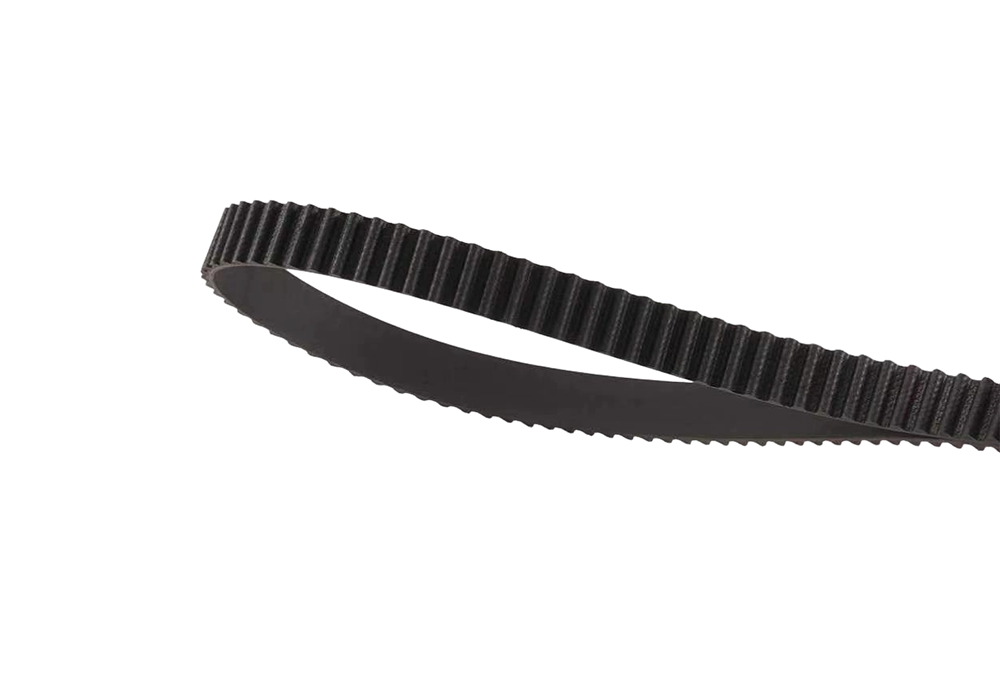 Proveedores de correas de transmisión de distribución HNBR personalizadas, fábrica OEM / ODM - Ningbo Herz Technolog Ningbo Herz Technology Co., Ltd. es un proveedor de correas de distribución HNBR de China y una fábrica OEM. Detalles: Correa de transmisión de distribución HNBR: este material... Ver producto →
 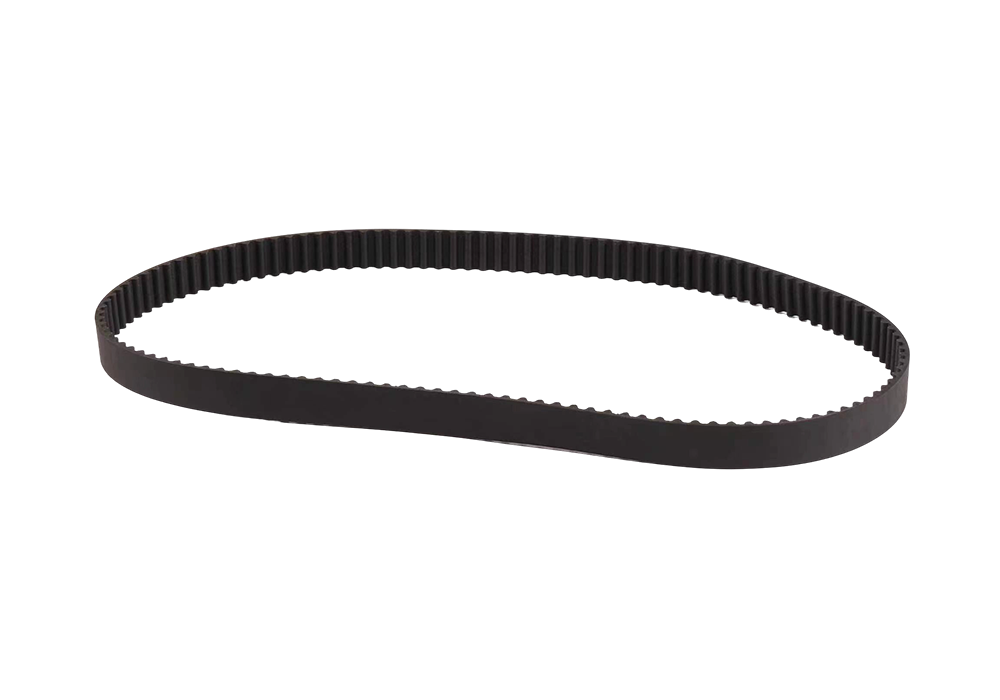 Proveedores de correas de transmisión de distribución CR personalizadas, fábrica OEM / ODM - Tecnología Ningbo Herz Ningbo Herz Technology Co., Ltd. es un proveedor de correas de transmisión de distribución CR de China y una fábrica OEM. Detalles: Correa de material CR: una C estable y madura... Ver producto →
 Para la sincronización de motores de automóviles, elija una correa de goma que coincida con las especificaciones originales en perfil de dientes, número de dientes y ancho. Los motores de pasajeros estándar funcionan con correas CR; Los motores que funcionan a mayor temperatura o de alto rendimiento se benefician del HNBR, que resiste mejor el envejecimiento por calor y la degradación del aceite. Recuerde que una correa de distribución no es lo mismo que una correa accesoria serpentina: cada una hace un trabajo diferente y sigue un programa de reemplazo diferente. Esta comparación explica la diferencia. .
Para los accionamientos industriales donde la abrasión es el factor de desgaste dominante (líneas de embalaje, manejo de materiales, transportadores), la resistencia al desgaste del poliuretano generalmente justifica su precio de compra más alto. El mayor costo inicial generalmente se recupera mediante menos paradas e intervalos de reemplazo más largos.
Para la transmisión de energía industrial general que funciona con calor, humedad o bajo cargas de choque, una correa de goma es la opción más predecible. Cuando se desea una sola correa que pueda cubrir varias máquinas en una planta, la Correa de transmisión industrial Herz es una especificación común.
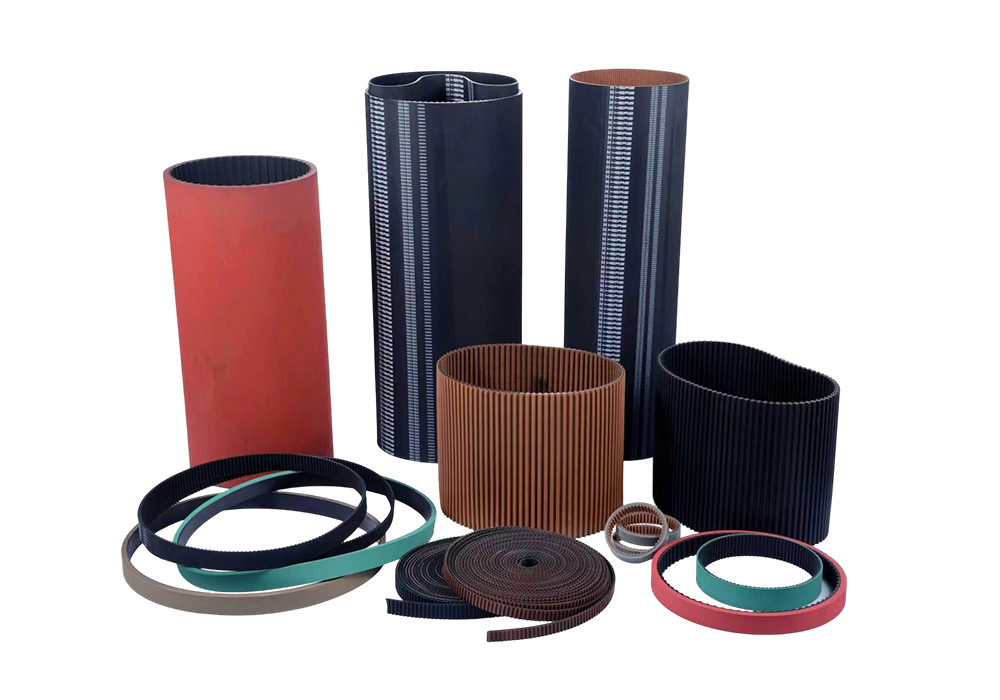 Proveedores de correas de transmisión industriales HERZ personalizadas, fábrica OEM / ODM - Ningbo Herz Techn Ningbo Herz Technology Co., Ltd. es un proveedor de correas de transmisión industriales HERZ de China y una fábrica OEM. Detalles: las correas de transmisión industriales HERZ cumplen... Ver producto →
 Antes de comprometerse con un material, realice estas comprobaciones:
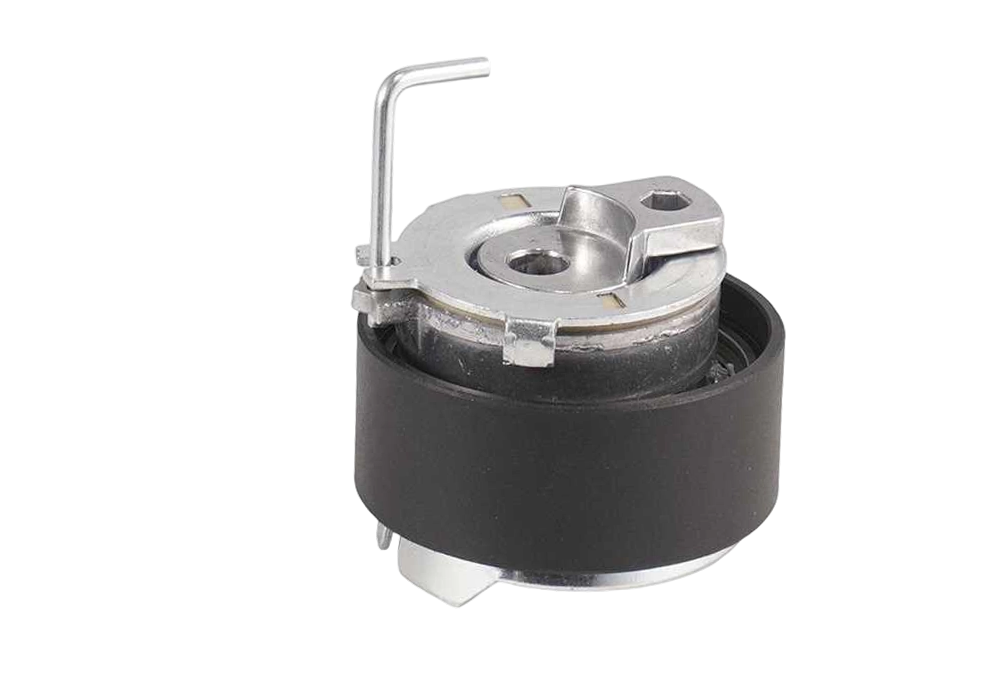
Una vez seleccionado el material, preste atención al ajuste y la tensión. Una correa de alta calidad falla prematuramente si se instala con la tensión incorrecta: demasiado floja y se saltan los dientes; demasiado apretado, carga los rodamientos y acelera el desgaste. Siga las instrucciones del fabricante. Instrucciones de tensión de la correa de distribución. y, para las transmisiones de sincronización del motor, reemplace las poleas tensoras y tensoras al mismo tiempo.
Las correas de distribución de poliuretano y caucho no compiten por el mismo trabajo; son soluciones para diferentes trabajos. El poliuretano sobresale donde dominan la abrasión, los productos químicos y la precisión. El caucho sobresale donde dominan el calor, la humedad, la vibración y el ruido, razón por la cual los motores de los automóviles siguen dependiendo de las correas de distribución de caucho. Comience con el entorno operativo, realice las cinco comprobaciones y luego elija el material que se ajuste. Para una transmisión de sincronización del motor, la respuesta comprobada sigue siendo una correa de caucho de alta calidad diseñada según las especificaciones OEM.




 English
 Español
 Português
 عربى
عربى