


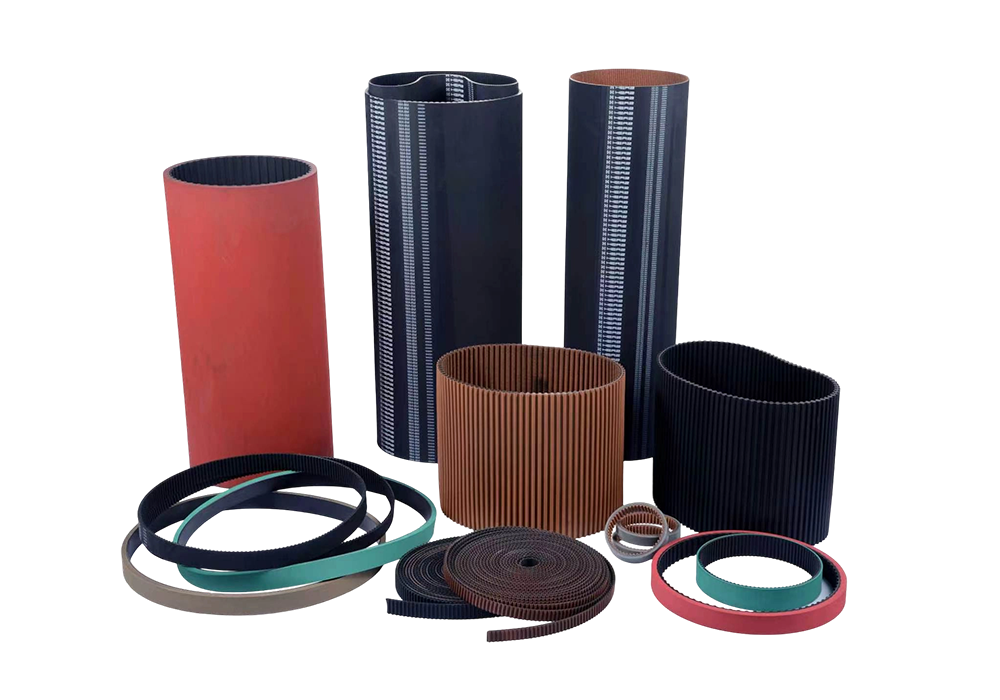
Kits de correas de transmisión Representan la tecnología fundamental para transmitir potencia mecánica en equipos modernos. Estos conjuntos constan de correas, poleas y accesorios de montaje combinados diseñados para funcionar juntos como un sistema cohesivo. La función principal de los kits de correas de transmisión implica convertir la energía rotacional de un motor en energía utilizable para equipos impulsados, ya sea que se trate de bombas, compresores, ventiladores o maquinaria industrial.
Un kit completo de correas de transmisión incluye múltiples componentes que funcionan en armonía. La correa en sí está fabricada con materiales como compuestos de caucho, poliuretano o polímeros sintéticos diseñados para resistir la rotación continua y la tensión mecánica. Las poleas están mecanizadas con precisión para aceptar la correa y al mismo tiempo proporcionar un agarre y alineación óptimos. El kit también incorpora soportes de montaje, sujetadores y, a veces, mecanismos de ajuste que permiten la aplicación y el mantenimiento de la tensión adecuada.
Los kits de correas de transmisión modernos ofrecen ventajas significativas sobre los métodos de transmisión de potencia mecánica más antiguos. Estos sistemas funcionan con índices de eficiencia entre 94 y 98 por ciento , lo que significa una pérdida mínima de energía durante la transferencia de energía. Requieren un mantenimiento relativamente bajo en comparación con los sistemas de engranajes, funcionan con un ruido mínimo y pueden adaptarse a cierta desalineación entre los ejes motriz y conducido. La flexibilidad de los sistemas de correas también proporciona una amortiguación natural de las vibraciones, lo que protege los equipos conectados de cargas de impacto y prolonga la vida útil de los componentes.
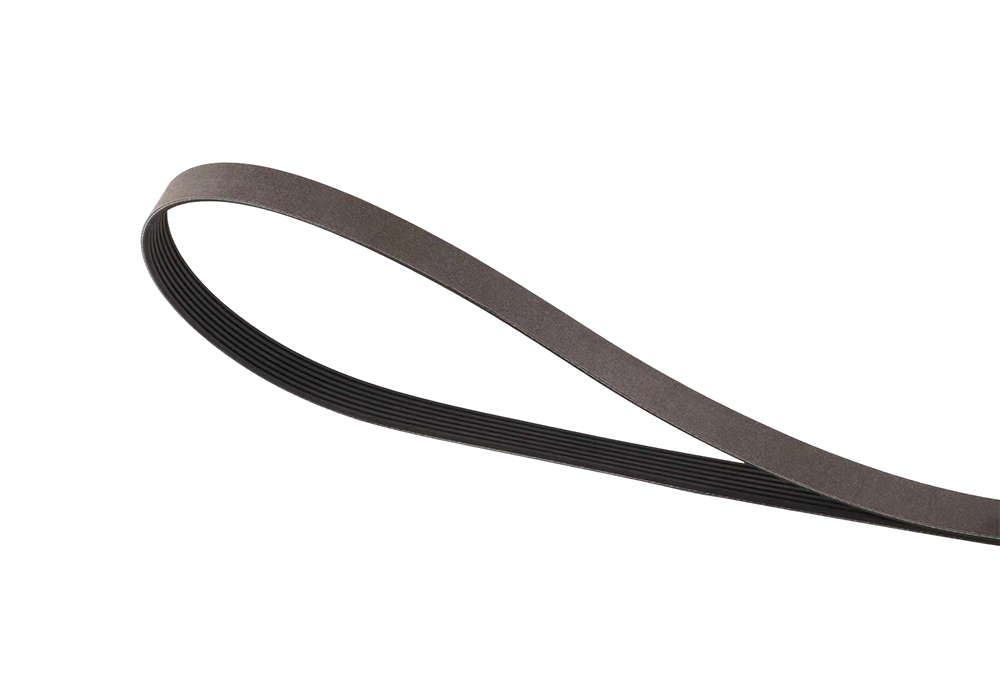
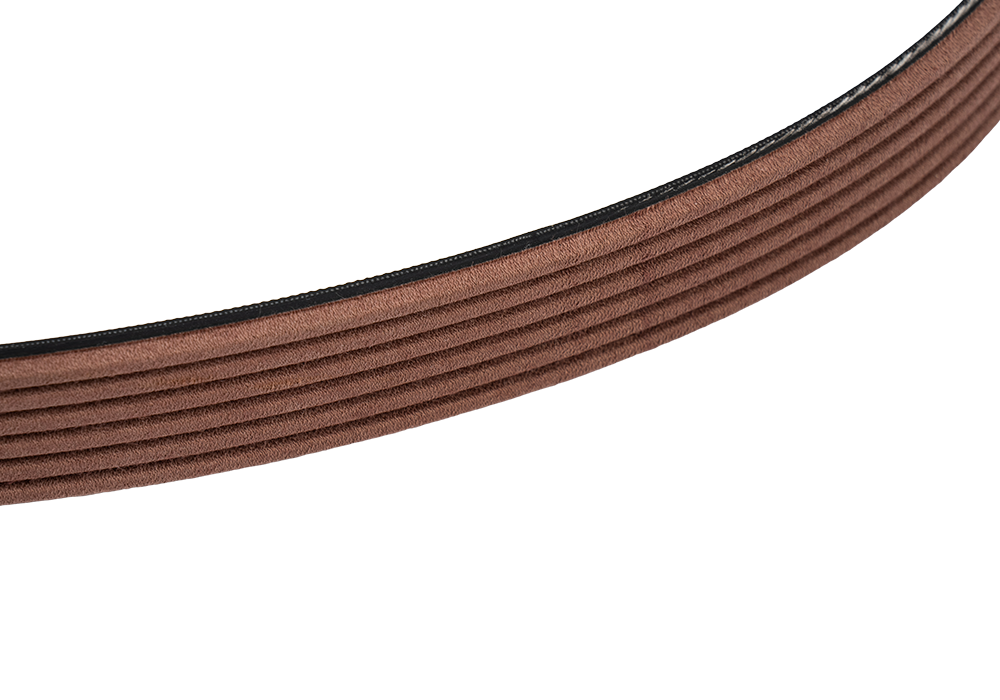
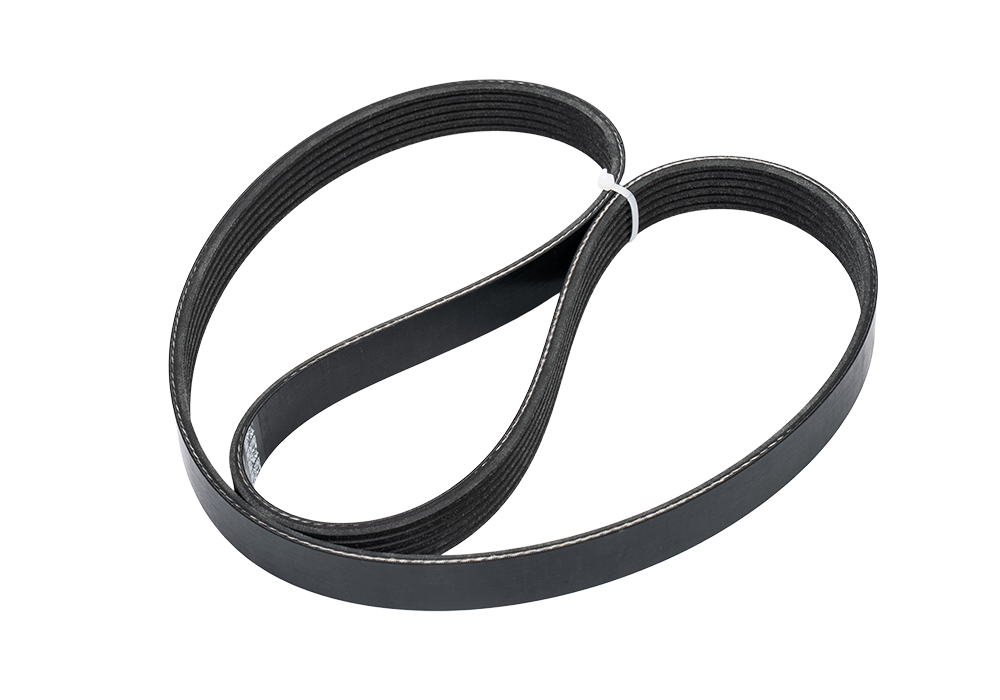
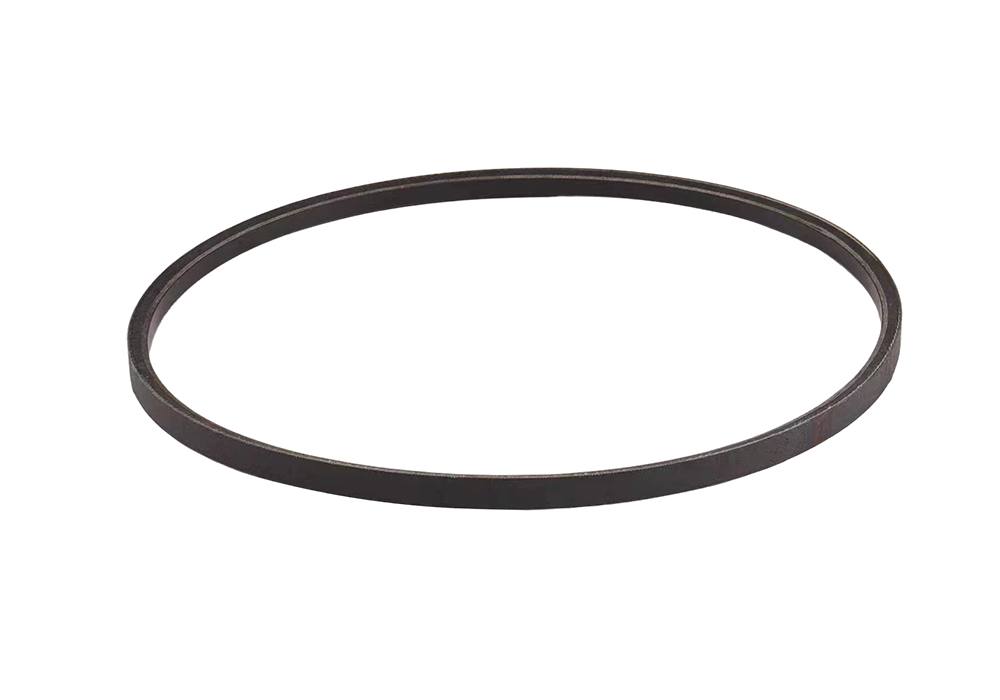
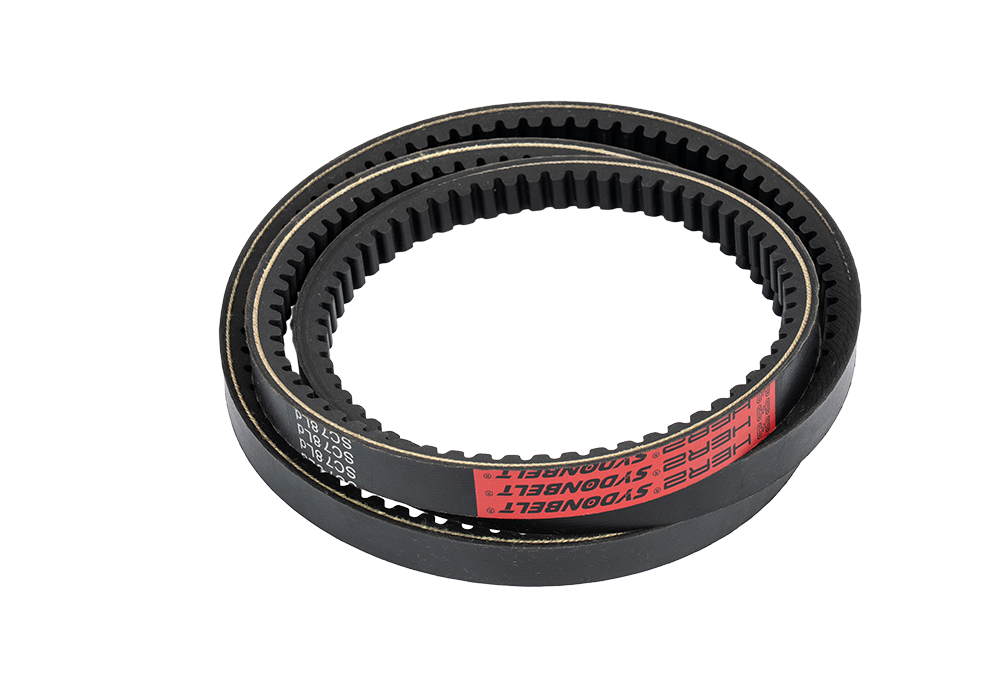
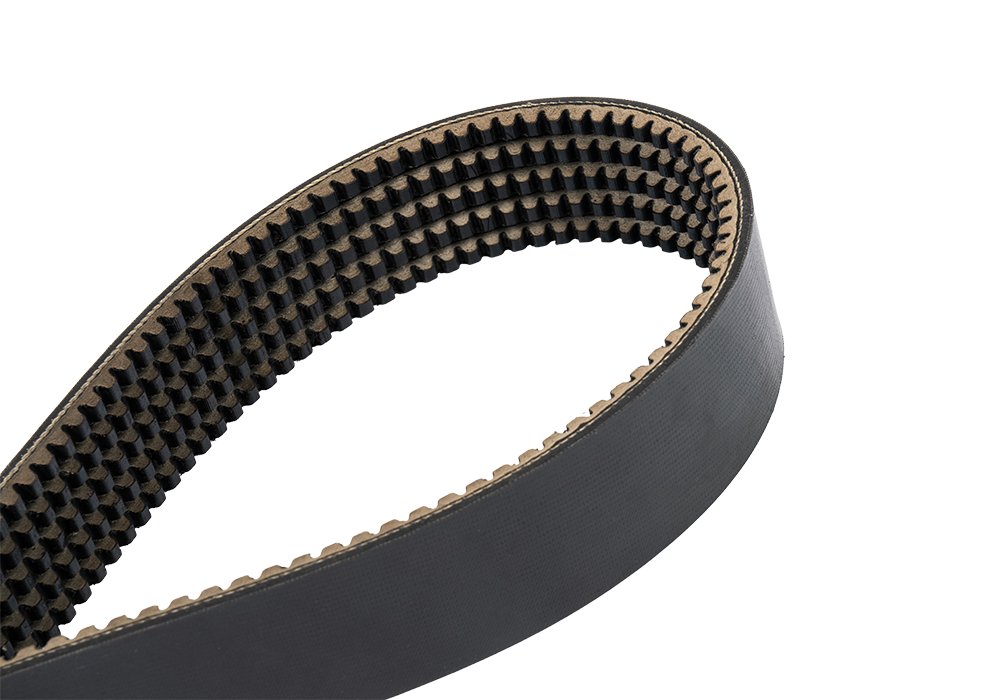
Los kits de correas de transmisión vienen en varias configuraciones diseñadas para aplicaciones específicas. Los kits de correas trapezoidales clásicos sirven para aplicaciones industriales pesadas que requieren la máxima capacidad de transmisión de potencia. Los kits de correas en V estrechas brindan una eficiencia mejorada y un diseño compacto para instalaciones con espacio limitado. Los kits de correas serpentinas integran múltiples correas y poleas en sistemas unificados únicos que se encuentran comúnmente en motores de automóviles y compresores industriales. Los kits de correas multicuña ofrecen una transmisión de potencia superior para entornos industriales exigentes donde la confiabilidad es primordial.
La selección de kits de correas de transmisión adecuados requiere considerar múltiples factores técnicos. Dimensiones de la sección transversal de la correa debe coincidir exactamente con las ranuras de su polea. Especificaciones de longitud Depende de la distancia central entre los ejes y las características de tensión deseadas. Composición de materiales afecta la resistencia al calor, la resistencia al aceite y el rango de temperatura operativa. Clasificaciones de capacidad de carga determinar la máxima transmisión de potencia sin degradación prematura de la correa. Hacer coincidir estas especificaciones con los requisitos de su equipo garantiza un rendimiento óptimo y una vida útil máxima.
Comprender la construcción de las correas ayuda a explicar por qué los kits de correas de transmisión de calidad superan a las alternativas más económicas. Los kits premium cuentan con múltiples capas que funcionan juntas como un sistema integrado. La cubierta exterior utiliza compuestos elastómeros formulados para resistir la abrasión, el ozono y la degradación ambiental. Las capas de refuerzo incrustadas dentro del cuerpo de la correa proporcionan resistencia a la tracción y evitan el alargamiento durante la operación. Algunos kits avanzados incorporan capas de tela que mejoran el agarre y reducen el deslizamiento sobre las superficies de las poleas.
Los compuestos de caucho utilizados en los kits de correas de transmisión de calidad se someten a pruebas rigurosas para garantizar la compatibilidad con diversos entornos operativos. Las formulaciones resistentes al aceite protegen las correas en aplicaciones expuestas a fluidos hidráulicos o lubricantes. Los compuestos resistentes al calor mantienen la flexibilidad y el agarre en entornos de alta temperatura, como compartimentos de motores de automóviles u hornos industriales. Las formulaciones resistentes a productos químicos sobreviven a la exposición a disolventes, refrigerantes y otros productos químicos industriales que se encuentran en las instalaciones de procesamiento.
La construcción de las poleas en los kits completos de correas de transmisión determina la eficacia con la que se enganchan las correas durante el funcionamiento. Las ranuras mecanizadas con precisión combinan con las secciones transversales de la correa con un espacio mínimo, maximizando el área de contacto y la eficiencia de transmisión de potencia. Las poleas de calidad incorporan acabados superficiales que sujetan las correas sin crear fricción excesiva ni generación de calor. El equilibrio dinámico de las poleas reduce la vibración durante el funcionamiento a alta velocidad, lo que prolonga la vida útil de los rodamientos y mejora la confiabilidad general del sistema.
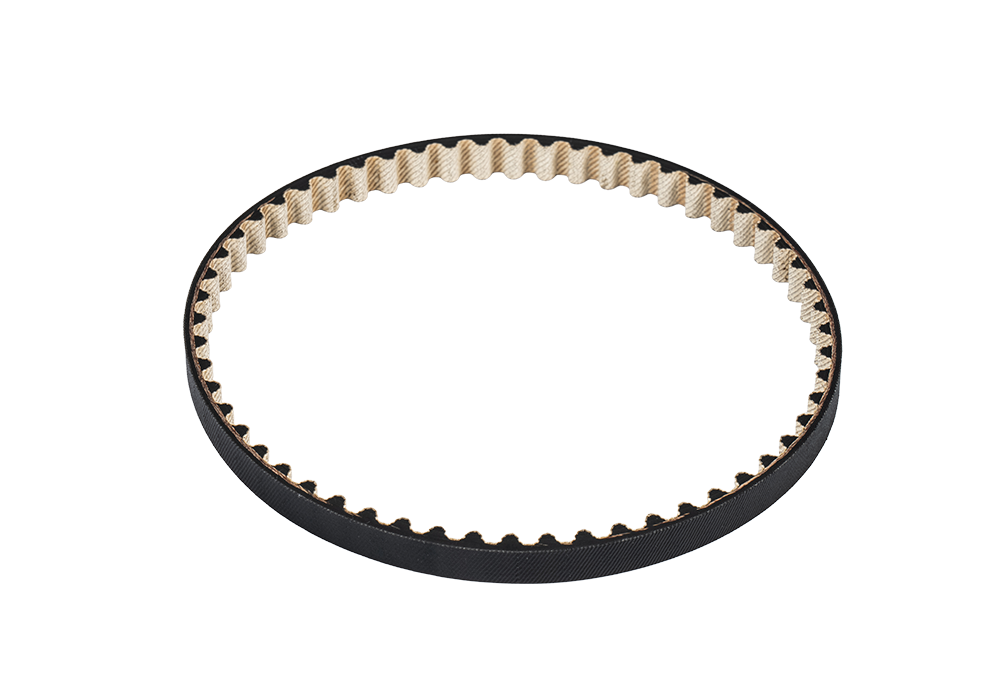
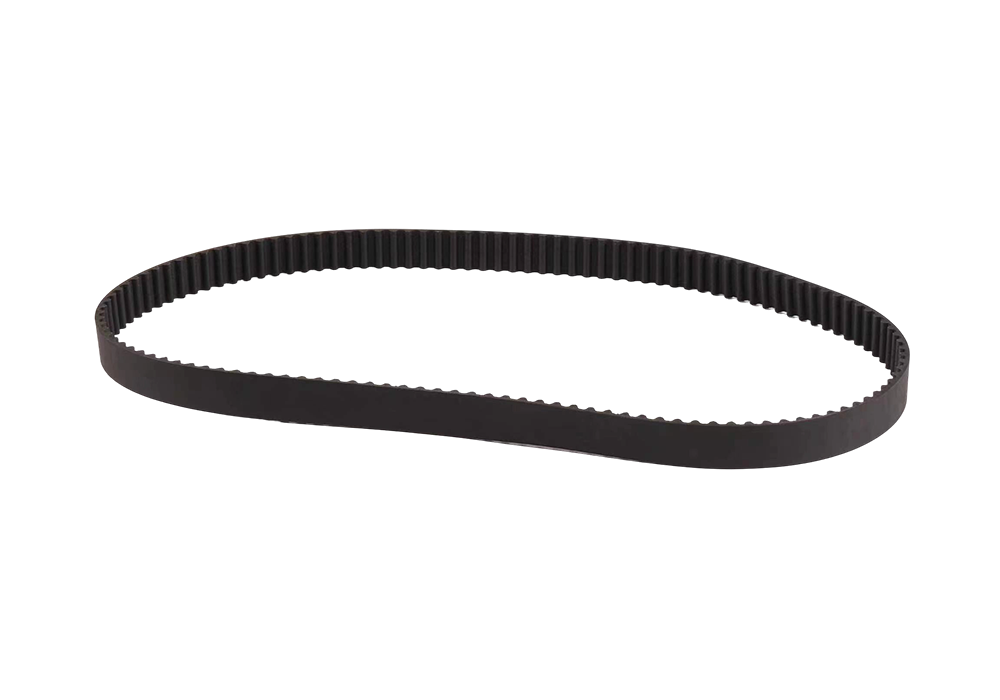
Kits de correas de distribución representan una categoría especializada de sistemas de transmisión de potencia donde la sincronización precisa entre los ejes motriz y conducido es esencial. A diferencia de los sistemas de correas de transmisión basados en fricción, las correas de transmisión de sincronización utilizan un acoplamiento positivo de los dientes para mantener relaciones de velocidad exactas y eliminar el deslizamiento. Estos kits son indispensables en aplicaciones donde la precisión de la sincronización afecta directamente el funcionamiento, la seguridad o la calidad de salida del equipo.
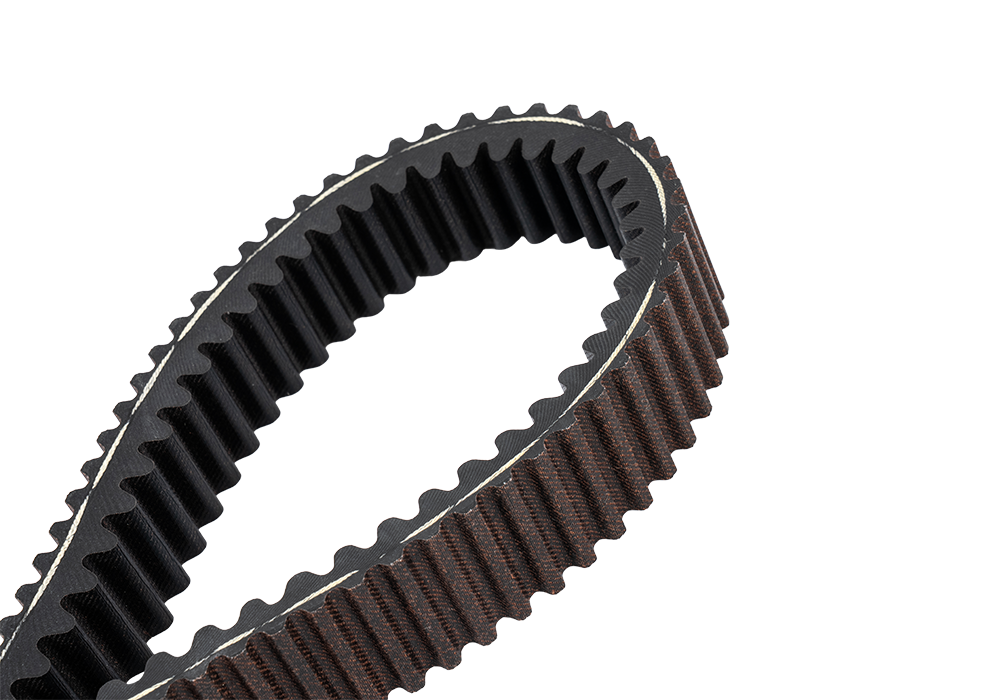
La característica definitoria de los kits de correas de distribución implica dientes moldeados en la superficie de la correa que se engranan con las ranuras de las poleas de distribución. Este acoplamiento positivo significa que la correa no puede deslizarse independientemente de las variaciones de carga o cambios de velocidad. La precisión de la sincronización se mantiene dentro de tolerancias de más o menos 0,2 por ciento. , lo que hace que estos kits sean ideales para equipos que requieren una sincronización precisa. El diseño de los dientes normalmente sigue perfiles estándar como configuraciones HTD (High Torque Drive), STD o XL que brindan compatibilidad entre diferentes fabricantes y equipos.
Los kits de correas de distribución encuentran una aplicación crítica en motores de automóviles donde sincronizan la rotación del cigüeñal con la sincronización del árbol de levas. Esta sincronización garantiza que las válvulas de admisión y escape se abran y cierren en momentos precisos y correctos en relación con la posición del pistón. Incluso los errores menores de sincronización pueden causar una reducción significativa del rendimiento, un aumento de las emisiones o daños al motor. De manera similar, las máquinas herramienta CNC requieren kits de correas de distribución para mantener la sincronización exacta de los ejes durante las operaciones de mecanizado de precisión. Los equipos de procesamiento industrial utilizan estos kits para mantener la consistencia del producto mediante la sincronización de múltiples estaciones de procesamiento.
Los kits completos de correas de distribución generalmente incluyen la correa dentada, poleas de distribución correspondientes, componentes tensores y poleas locas que mantienen una tensión constante de la correa durante toda la operación. Algunos kits agregan cubiertas para la correa de distribución que protegen contra la contaminación y extienden la vida útil de la correa en entornos industriales hostiles. Los kits premium incorporan poleas termoplásticas o de hierro fundido de alta calidad con formas de dientes de precisión que minimizan el desgaste de la correa y brindan años de sincronización confiable.
Los kits de correas de distribución utilizan materiales diseñados para los requisitos de alta precisión de la transmisión de potencia sincronizada. Los materiales de la correa deben mantener la estabilidad dimensional en amplios rangos de temperatura, resistiendo el alargamiento que destruiría la precisión de la sincronización. El poliuretano reforzado con fibra de vidrio o cordón de acero proporciona la resistencia necesaria para un engranaje constante de los dientes bajo cargas exigentes. El diseño de los dientes incorpora perfiles redondeados que distribuyen la tensión de contacto y prolongan la vida útil de la correa en comparación con los diseños de dientes con esquinas afiladas.
La construcción de poleas en los kits de correas de distribución exige una precisión excepcional. Los perfiles de los dientes deben coincidir con los dientes de la correa dentro de tolerancias de más o menos 0,05 milímetros para evitar que los dientes salten o se deslicen. Las poleas de distribución de calidad utilizan materiales como aluminio, hierro fundido o materiales compuestos seleccionados por su durabilidad y maquinabilidad de precisión. El diseño del orificio garantiza un montaje seguro sin descentramiento ni excentricidad que provocarían vibraciones o patrones de desgaste desiguales.
La resistencia ambiental se vuelve crítica en los kits de correas de distribución que funcionan en diversas condiciones industriales. Las formulaciones resistentes al calor mantienen la flexibilidad y el agarre hasta 120 grados Celsius de forma continua, con breves tolerancias de exposición a 150 grados Celsius. Los compuestos resistentes al aceite protegen las correas en entornos expuestos a fluidos hidráulicos, refrigerantes o lubricantes. Las formulaciones resistentes al ozono extienden la vida útil de la correa en instalaciones al aire libre o aplicaciones cerca de equipos eléctricos que generan ozono.
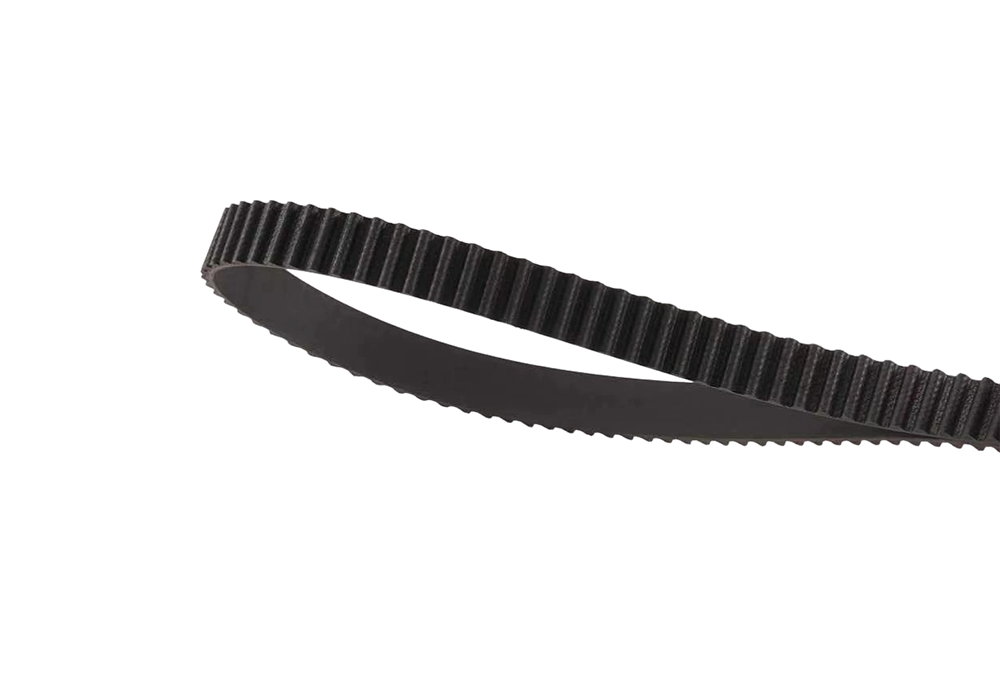
Los sistemas de transmisión por correa Gilmer representan la tecnología tradicional de transmisión de potencia con engranaje positivo basada en dientes que es anterior a los sistemas de correa de distribución modernos. Estos sistemas, que llevan el nombre del inventor original, utilizan correas con dientes que encajan positivamente en las ranuras correspondientes de las poleas, eliminando por completo el deslizamiento. Si bien los nuevos estándares de correas de distribución han reemplazado en gran medida a los sistemas Gilmer en aplicaciones modernas, siguen utilizándose ampliamente en equipos existentes, maquinaria antigua y aplicaciones especializadas donde sus características brindan un rendimiento superior.
La principal ventaja de los sistemas de transmisión por correa Gilmer implica funcionamiento sin deslizamiento garantizado que mantiene relaciones de velocidad precisas bajo condiciones de carga variables. Esta característica de compromiso positivo hace que los sistemas Gilmer sean ideales para aplicaciones donde no se puede tolerar el deslizamiento. La maquinaria que ejecuta procesos sincrónicos, como sistemas transportadores entrelazados o equipos de producción coordinados, depende de las transmisiones por correa Gilmer para evitar errores de sincronización que atascarían o dañarían la maquinaria conectada.
Los sistemas de transmisión por correa Gilmer utilizan un perfil de diente trapezoidal distintivo que difiere de los diseños HTD modernos. Esta geometría de dientes ofrece una excelente capacidad de carga y durabilidad en funcionamiento continuo. Los flancos de los dientes ligeramente angulados ayudan a centrar la correa en las poleas, lo que reduce la necesidad de una alineación precisa en comparación con algunos sistemas de correas modernos. Esta característica de diseño indulgente hace que los sistemas Gilmer sean ideales para situaciones de mantenimiento donde los técnicos carecen de equipos de alineación de precisión.
Un sistema completo de transmisión por correa Gilmer incluye una correa dentada fabricada con compuestos de caucho o poliuretano, poleas mecanizadas con precisión con formas de dientes coincidentes, conjuntos tensores y herrajes de soporte. Las opciones de ancho de correa y espaciado de dientes disponibles para los sistemas Gilmer varían desde correas compactas de 10 milímetros de ancho hasta correas resistentes de 25 milímetros o más, adecuadas para maquinaria industrial masiva. Esta gama de tamaños se adapta a aplicaciones que van desde maquinaria textil delicada hasta equipos masivos de aserraderos.
Los sistemas de transmisión por correa de Gilmer ofrecen ventajas de rendimiento constantes que explican su uso continuo a pesar de las alternativas más nuevas. El enganche positivo de los dientes produce Eficiencia de transmisión de energía superior al 97 por ciento. , comparable a los modernos sistemas de correa de distribución. Los requisitos de mantenimiento siguen siendo mínimos y normalmente se limitan a una inspección periódica de la tensión y una limpieza ocasional de la correa. A diferencia de los sistemas de correas en V basados en fricción que requieren ajustes frecuentes de tensión, los sistemas Gilmer mantienen características de tensión estables y tasas de desgaste mínimas.
La durabilidad de los sistemas de transmisión por correa Gilmer ha demostrado ser notable a lo largo de décadas de operación industrial continua. Muchos sistemas instalados en las décadas de 1970 y 1980 continúan funcionando de manera confiable con un mantenimiento mínimo en las instalaciones existentes. Esta longevidad surge de principios de diseño conservadores que evitan concentraciones de tensión e incorporan generosos márgenes de seguridad. El perfil de los dientes trapezoidales distribuye las tensiones de flexión de manera uniforme a lo largo de la sección transversal de la correa, evitando los puntos de falla prematura que se observan en algunos diseños modernos.
Los sistemas de transmisión por correa Gilmer destacan en entornos que requieren resistencia química. Las formulaciones de elastómeros permanecen estables cuando se exponen a aceites, solventes y refrigerantes industriales que degradarían los sistemas de correas menores. Esta estabilidad química hace que los sistemas Gilmer sean populares en entornos de fabricación donde las correas entran inevitablemente en contacto con fluidos hidráulicos o refrigerantes de máquinas herramienta. El diseño cerrado evita que la contaminación se acumule en las superficies de los dientes, lo que reduce los requisitos de mantenimiento en comparación con los sistemas de correas trapezoidales susceptibles a los desechos ambientales.
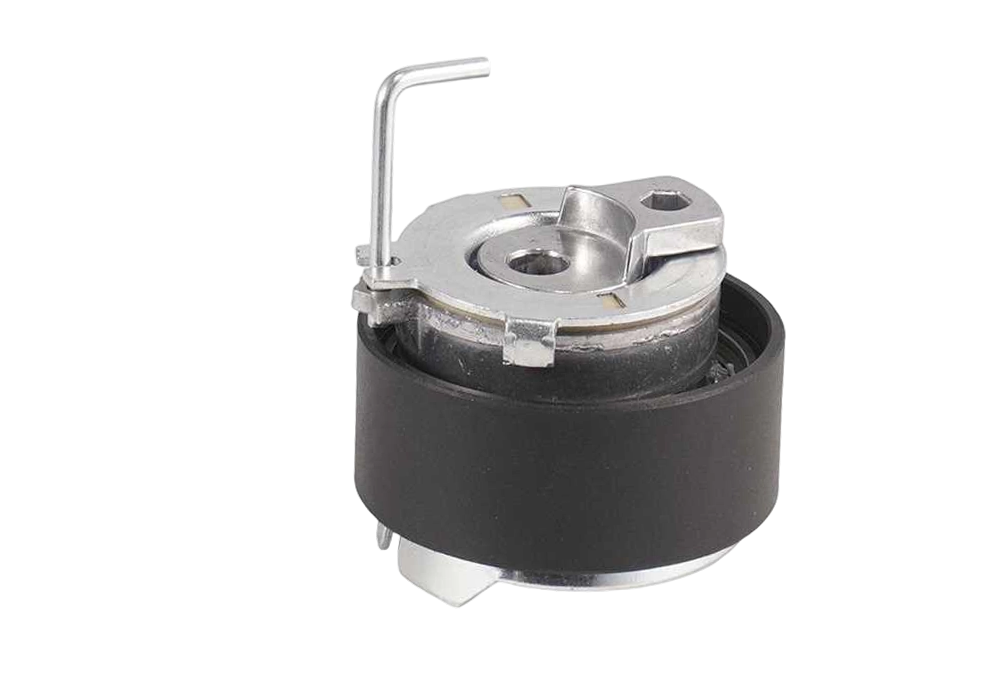
Los sistemas tensores de correas V representan componentes críticos que mantienen la tensión adecuada en los sistemas de transmisión por correas V durante la operación del equipo. Estos dispositivos mecánicos o automáticos ajustan la tensión de las correas a medida que se estiran durante el servicio, compensan las variaciones de temperatura y se adaptan a los patrones de desgaste de las poleas. La tensión adecuada de la correa es esencial para lograr la máxima eficiencia en la transmisión de potencia, un desgaste mínimo de la correa y una vida útil prolongada. Una tensión inadecuada provoca deslizamiento y pérdida de energía, mientras que una tensión excesiva genera cargas innecesarias en los rodamientos y acelera la degradación de la correa.
El principio fundamental detrás de los sistemas tensores de correas en V implica aplicar presión controlada a poleas locas o sistemas de montaje de poleas móviles que estiran la correa a niveles de tensión precisos. La tensión adecuada de la correa en V varía de 10 a 20 libras de fuerza de deflexión aplicada a mitad de camino entre las poleas. , con recomendaciones específicas según el tamaño de la correa, la velocidad y la capacidad de carga. Mantener este rango de tensión garantiza la máxima transmisión de potencia sin sobrecargar los rodamientos ni tensar prematuramente las capas de refuerzo de la correa.
Los sistemas tensores de correas en V manuales requieren inspecciones periódicas y ajustes manuales para mantener una tensión óptima. Los técnicos miden la deflexión de la correa utilizando medidores de tensión o métodos de deflexión de la correa, luego ajustan la posición de la polea o la posición del brazo tensor para lograr los valores correctos. Este enfoque funciona eficazmente en aplicaciones donde los técnicos realizan mantenimiento regular a los equipos. Sin embargo, mantener una tensión constante se vuelve un desafío en equipos que funcionan continuamente donde los técnicos no pueden verificar y ajustar la tensión con frecuencia.
Los sistemas tensores automáticos de correas en V resuelven los desafíos de mantenimiento del ajuste manual al monitorear y ajustar continuamente la tensión de la correa sin intervención del operador. Los brazos tensores accionados por resorte se mueven a medida que cambia la tensión de la correa, manteniendo automáticamente una tensión óptima durante toda la vida útil de la correa. A medida que las correas se estiran durante la operación inicial o se desgastan gradualmente con el tiempo, el brazo tensor se extiende automáticamente, manteniendo una deflexión y transmisión de potencia constantes. Esta compensación automática extiende drásticamente la vida útil de la correa al evitar la deriva de tensión que causa el deslizamiento de la correa y patrones de desgaste desiguales.
La selección e instalación adecuadas del tensor de correa trapezoidal requiere la comprensión de varios parámetros técnicos. El tensor debe ser compatible con el ancho de la correa y la configuración de polea específicos de su aplicación. La tasa de resorte en los tensores automáticos debe calibrarse para aplicar la tensión exactamente correcta en todo el rango de desgaste de la correa, evitando condiciones de tensión tanto insuficiente como excesiva. La calidad de los rodamientos en las poleas tensoras afecta significativamente la eficiencia general del sistema y la vida útil.
La instalación de sistemas tensores de correas en V exige una cuidadosa atención a la alineación de las poleas y al funcionamiento del mecanismo de ajuste. La desalineación entre la polea motriz y la polea tensora provoca un desgaste desigual de la correa y un movimiento excesivo del tensor. Muchas fallas de los tensores se deben a una instalación incorrecta y no a defectos de los componentes. Garantizar una alineación adecuada antes de la instalación del tensor evita fallas prematuras y brinda la vida útil prolongada que prometen los componentes de calidad.
El monitoreo y mantenimiento de los sistemas tensores de correas trapezoidales incluye controles periódicos del estado de los resortes en los sistemas automáticos. Con el tiempo, los resortes pueden perder elasticidad y no mantener la tensión correcta. La inspección visual de las poleas tensoras para detectar desgaste excesivo, oscilación o daños en los cojinetes revela problemas que requieren reemplazo. Reemplazar las poleas tensoras desgastadas evita fallas en los cojinetes que podrían dañar las costosas correas de transmisión o las poleas de transmisión.
La elección de los kits de correas de transmisión adecuados requiere una evaluación sistemática de múltiples parámetros técnicos específicos de su equipo y requisitos operativos. Este proceso comienza con la identificación de la función exacta que debe realizar su sistema de correas, los rangos de velocidad involucrados y la capacidad de transmisión de potencia necesaria. Comprender estos requisitos fundamentales permite seleccionar kits de correas que brinden un rendimiento confiable y al mismo tiempo optimicen la rentabilidad.
Capacidad de transmisión de energía representa el primer parámetro de selección crítico. Mida u obtenga las especificaciones del equipo para los caballos de fuerza del motor o los kilovatios que debe transmitir la correa de transmisión. Aplique factores de servicio apropiados según sus condiciones operativas específicas, como ciclos de arranque frecuentes, cargas de choque u operación continua. Este cálculo produce la capacidad real de la correa necesaria, lo que evita tanto un tamaño insuficiente que provoca el deslizamiento de la correa como un tamaño excesivo que desperdicia material y dinero.
Relaciones de velocidad y selección de poleas. determine la eficiencia de transmisión de potencia y las características operativas de su kit de correa de transmisión. Calcule los diámetros de polea requeridos en función de las relaciones de velocidad necesarias entre los ejes impulsor y conducido. Las poleas de mayor diámetro reducen la tensión de la correa y prolongan la vida útil, aunque requieren más espacio. La selección entre múltiples opciones de poleas depende del espacio de instalación disponible y de las prioridades de rendimiento.
Distancia central entre ejes afecta la selección de la correa y las características de tensión. Mida la distancia precisa entre los centros de la polea motriz y conducida, teniendo en cuenta los rangos de ajuste necesarios para la instalación o el mantenimiento de la correa. Las distancias entre centros largas se adaptan a kits de correas de transmisión más grandes que pueden ofrecer eficiencia o capacidad superiores. Las distancias entre centros cortas requieren diseños de kits compactos que aún mantengan una envoltura adecuada de la correa alrededor de las poleas para una transmisión de potencia confiable.
Condiciones ambientales determine qué especificaciones de materiales y tipos de correas se adaptan mejor a su aplicación. Los equipos que operan en ambientes calurosos requieren formulaciones resistentes al calor que mantengan la flexibilidad a temperaturas elevadas. Las instalaciones expuestas a aceites, solventes o vapores químicos necesitan compuestos resistentes al aceite y a los químicos. Los equipos para exteriores necesitan formulaciones resistentes a la intemperie que resistan la degradación ultravioleta y el ataque del ozono. Los entornos polvorientos o sucios se benefician de los sistemas cerrados que mantienen los contaminantes alejados de las superficies de las correas.
| Tipo de kit de correa | Rango de potencia | Rango de velocidad | Mejores aplicaciones |
|---|---|---|---|
| Correa en V clásica | 3 a 50 CV | 0 a 6000 RPM | Industria pesada, bombas, compresores. |
| Correa en V estrecha | 2 a 40 CV | 0 a 8000 RPM | Maquinaria compacta, accionamientos de ventiladores. |
| Correa de distribución | 0,5 a 30 CV | 0 a 10000 RPM | Automoción, CNC, maquinaria de precisión. |
| Cinturón dorado | 1 a 25 CV | 0 a 6000 RPM | Equipos antiguos, sistemas síncronos. |
La instalación adecuada de los kits de correas de transmisión afecta directamente el rendimiento, la vida útil y la confiabilidad de su sistema de transmisión de potencia. Las técnicas de instalación deficientes pueden reducir la vida útil de la correa en un 50 por ciento o más, anulando el valor de los componentes de primera calidad. Seguir procedimientos de instalación sistemáticos garantiza que los nuevos kits de correas de transmisión funcionen de manera confiable desde el arranque inicial hasta años de operación continua.
Comience la instalación limpiando minuciosamente las superficies de las poleas para eliminar el polvo, la suciedad, los residuos de aceite y los desechos. Cualquier contaminación que quede en las superficies de la polea impide el agarre adecuado de la correa y provoca un desgaste rápido. Utilice cepillos suaves y paños sin pelusa para limpiar las ranuras de las poleas, asegurándose de que estas superficies de contacto críticas permanezcan libres de contaminación. Este paso de limpieza toma solo unos minutos pero mejora significativamente los resultados de la instalación y extiende la vida útil de la correa.
Inspeccione las poleas motriz y conducida en busca de desgaste, daños o desalineación antes de instalar nuevos kits de correas de transmisión. Las ranuras de polea desgastadas con bordes afilados o corrosión provocan un desgaste acelerado de la correa. Las poleas que muestran signos de descentramiento o tambaleo deben reemplazarse antes de instalar la correa. Las poleas dañadas desperdician nueva inversión en correas y provocan fallas prematuras. Reemplazar las poleas desgastadas durante la instalación del kit de correas de transmisión garantiza que usted obtenga la máxima vida útil de su inversión.
Alineación adecuada de la polea representa el factor más importante que determina la vida útil del kit de correa de transmisión. Los centros de la correa y la polea deben estar alineados dentro de 1/16 de pulgada de una alineación paralela perfecta. Utilice herramientas de alineación o reglas para verificar la alineación antes de apretar los pernos de montaje. Las poleas desalineadas provocan un desgaste desigual de la correa, generan calor excesivo y acortan drásticamente la vida útil. Tomarse el tiempo para verificar la alineación durante la instalación evita costosos reemplazos de correas y tiempos de inactividad del equipo.
Instale nuevos kits de correas de transmisión sin forzarlas en las poleas. Una guía cuidadosa de la correa alrededor de las poleas evita daños en los bordes y dientes de la correa. Para las correas de distribución, tenga especial cuidado para evitar pillarse los dientes durante la instalación. Nunca golpee las correas con herramientas ni aplique fuerza excesiva durante la instalación. Las finas capas de refuerzo de las correas de calidad pueden dañarse si se manipulan bruscamente, lo que provoca fallos prematuros de la correa a pesar de su construcción de calidad.
Después de instalar los kits de correas de transmisión, el ajuste preciso de la tensión garantiza un rendimiento óptimo. Para sistemas de correas en V, aplique la tensión adecuada ajustando la posición de la polea hasta lograr la desviación especificada a medio camino entre las poleas. Utilice medidores de tensión para realizar mediciones precisas en lugar de confiar en la sensación. Una tensión demasiado baja provoca deslizamiento y pérdida de potencia, mientras que una tensión excesiva sobrecarga los rodamientos y acelera el desgaste de la correa.
Los sistemas de correas de distribución requieren enfoques de tensión diferentes a los kits de correas trapezoidales. La tensión adecuada de la correa de distribución oscila entre 3 y 5 libras de fuerza de deflexión, significativamente menos que la tensión de la correa V. Tensar demasiado las correas de distribución provoca una tensión excesiva en las capas de refuerzo y fallos prematuros. La mayoría de las instalaciones modernas de correas de distribución utilizan tensores automáticos que mantienen la tensión correcta automáticamente sin necesidad de ajustes periódicos.
Deje que los nuevos kits de correas de transmisión funcionen gradualmente antes de exponerlos a carga completa. Muchos fabricantes recomiendan un período de descanso de 24 a 48 horas de funcionamiento ligero antes de aplicar las cargas de diseño. Durante este período de rodaje, las superficies de la correa se adaptan ligeramente a las ranuras de la polea y la tensión se estabiliza. Esta suave introducción extiende la vida útil de la correa al mejorar las características de contacto de la polea y permite que las capas de refuerzo incrustadas se asienten adecuadamente.
El mantenimiento sistemático de los kits de correas de transmisión durante toda su vida útil previene fallas inesperadas y maximiza la confiabilidad operativa. Las inspecciones periódicas detectan los problemas en desarrollo antes de que provoquen tiempos de inactividad del equipo o dañen la maquinaria conectada. El mantenimiento adecuado extiende la vida útil de la correa significativamente más allá de la vida útil mínima garantizada, lo que mejora el retorno de la inversión y la rentabilidad operativa.
Inspecciones mensuales debe incluir un examen visual de las superficies de la correa para detectar signos de desgaste, grietas o daños. Busque puntos desgastados brillantes que indiquen deslizamiento o patrones de desgaste desiguales que sugieran desalineación de la polea. Verifique si hay bordes deshilachados o capas separadas que indiquen degradación de la correa. Inspeccione las superficies de las poleas para detectar acumulación de desechos o corrosión que podría dañar las correas nuevas. Estas comprobaciones visuales tardan unos minutos, pero revelan problemas que requieren atención antes de que provoquen fallas en la correa.
Verificación de tensión debe realizarse cada tres a seis meses para los sistemas de correas trapezoidales. Utilice medidores de tensión para medir la deflexión de la correa a mitad de camino entre las poleas, comparando los valores medidos con los rangos especificados. La tensión disminuye naturalmente a medida que las correas se asientan y se estiran bajo carga. Restaurar la tensión correcta evita el deslizamiento y el desgaste prematuro. Muchas fallas de las correas son el resultado de un ajuste de tensión descuidado y no de defectos inherentes a las correas.
Inspección de poleas durante las visitas de mantenimiento identifica patrones de desgaste que requieren atención. El daño en la ranura de la polea indica un deslizamiento de la correa o una tensión inadecuada que requiere corrección. El bamboleo o el descentramiento de la polea sugiere desgaste o desalineación del cojinete que requiere ajuste. La corrosión u óxido de la polea reduce el agarre de la correa y requiere limpieza o reemplazo. Abordar los problemas de las poleas durante el mantenimiento evita fallas en cascada que dañan las costosas correas.
Los sistemas de correas de transmisión ocasionalmente desarrollan problemas que requieren un diagnóstico y reparación sistemáticos. Ruido excesivo de la correa Por lo general, indica tensión inadecuada, desalineación de la polea o contaminación en las superficies de la correa o la polea. Primero verifique la tensión, luego verifique la alineación de la polea y limpie las superficies contaminadas. Si los problemas persisten, inspeccione las poleas en busca de desgaste y considere reemplazarlas si las ranuras están dañadas.
Deslizamiento del cinturón caracterizado por que la correa gira sobre las poleas sin transmitir toda la potencia indica tensión insuficiente, poleas desgastadas o superficies contaminadas. Aumente la tensión a los valores especificados si el deslizamiento persiste después de ajustar el desgaste. Limpie minuciosamente las superficies de la polea, luego reinstale y tense la correa. Si el deslizamiento continúa después de estas correcciones, el daño en la ranura de la polea requiere reemplazo de la polea.
Desgaste desigual de la correa visibles como puntos desgastados solo en partes de la correa indican una desalineación de la polea o un descentramiento excéntrico de la polea. Verifique la alineación de la polea usando reglas o herramientas de alineación. Verifique el descentramiento de la polea usando indicadores de cuadrante para confirmar que las poleas giran correctamente sin tambalearse. Corregir la alineación o reemplazar las poleas excéntricas elimina los patrones de desgaste desiguales.
Vida útil más corta de la correa intervalos de servicio inferiores a los esperados sugieren un mantenimiento inadecuado, problemas con el entorno operativo o problemas de instalación. Revisar los registros de mantenimiento para identificar brechas de mantenimiento. Inspeccione el equipo en busca de fuentes de calor, exposición a productos químicos o vibración excesiva que afecte la vida útil de la correa. Verifique el estado y la alineación de la polea para garantizar una instalación adecuada. Abordar las causas fundamentales de la corta vida útil de la correa evita costosas fallas repetidas.
Los propietarios de equipos que operan sistemas de correas de transmisión más antiguos a menudo descubren que la actualización a kits modernos ofrece importantes beneficios operativos más allá del simple reemplazo de componentes desgastados. La tecnología moderna de correas incorpora décadas de avances en ingeniería centrados en mejoras de eficiencia, durabilidad y confiabilidad. La comparación del funcionamiento antes y después de la actualización a menudo revela mejoras de rendimiento y reducciones de costos operativos sorprendentes.
Mejora de la eficiencia energética representa la ventaja más significativa de los modernos sistemas de kits de correas de transmisión. Las correas contemporáneas logran una eficiencia de transmisión de potencia del 95 al 98 por ciento en comparación con el 85 al 90 por ciento de los sistemas más antiguos. Esta eficiencia mejorada reduce el consumo de energía de los equipos accionados por sistemas de correas. Durante años de funcionamiento continuo, los ahorros de energía derivados de los kits de correas de transmisión mejorados a menudo superan el costo de compra de sistemas nuevos.
Requisitos de mantenimiento reducidos en los sistemas modernos se reducen los costos operativos durante la vida útil de la correa. Los tensores automáticos eliminan el ajuste manual de la tensión, lo que reduce los requisitos de tiempo del técnico. Las formulaciones de materiales mejoradas reducen las tasas de desgaste y extienden la vida útil de la correa. Los mejores diseños de poleas reducen las cargas de los rodamientos y prolongan su vida útil. Estas mejoras acumulativas reducen los costos de mano de obra de mantenimiento y los inventarios de repuestos necesarios para respaldar la operación del equipo.
Fiabilidad mejorada de los modernos kits de correas de transmisión reduce el tiempo de inactividad inesperado del equipo. Una vida útil más larga significa menos reemplazos de correas no planificados que interrumpan los programas de producción. La durabilidad mejorada bajo cargas de impacto y ambientes hostiles reduce las tasas de falla de la correa. Una mayor coherencia en la fabricación garantiza que cada kit tenga un rendimiento predecible. Una mayor confiabilidad se traduce en un mayor tiempo de actividad de la producción y una mayor satisfacción del cliente.
Menor costo total de propiedad motiva a muchos propietarios de equipos a actualizar los sistemas de kits de correas de transmisión. Si bien los sistemas modernos pueden costar más inicialmente, los costos de mantenimiento reducidos, la eficiencia mejorada y una vida útil más larga se combinan para generar costos más bajos durante todo el ciclo de vida del equipo. Las organizaciones que rastrean los costos de mantenimiento y el consumo de energía a menudo descubren que los kits modernos se amortizan entre dos y tres años después de su funcionamiento.
Los kits de correas de transmisión deben cumplir con diversos estándares y especificaciones de la industria para garantizar la compatibilidad, la seguridad y el rendimiento en diversas aplicaciones. Comprender los estándares relevantes le ayuda a seleccionar kits compatibles con su equipo existente y al mismo tiempo cumplir con los requisitos de seguridad y rendimiento. Diferentes industrias y regiones geográficas mantienen estándares específicos que deben cumplir los kits de correas de transmisión.
estándares americanos como ANSI B29.1 establecen especificaciones para los sistemas de transmisión por correa V utilizados en las industrias de América del Norte. Estas normas especifican las dimensiones de la sección transversal de la correa, los perfiles de las ranuras de la polea, las potencias nominales y los requisitos de rendimiento. Los estándares ANSI también establecen especificaciones para correas de distribución y ruedas dentadas que garantizan la compatibilidad entre diferentes fabricantes. La selección de kits de correas de transmisión que cumplan con los estándares ANSI aplicables garantiza un ajuste adecuado con el equipo existente.
estándares europeos como ISO 1813 establecen especificaciones para correas trapezoidales en los mercados europeos. Las especificaciones DIN refinan aún más los requisitos para equipos y aplicaciones industriales alemanes. Estos estándares europeos a veces difieren de las especificaciones ANSI, lo que requiere una atención cuidadosa al adquirir correas de repuesto para equipos fabricados en Europa. Verificar que los kits de correas de transmisión adquiridos cumplan con las normas europeas pertinentes evita problemas de compatibilidad y fallas de instalación.
Estándares automotrices como SAE J636 especifican sistemas de correas de transmisión utilizados en aplicaciones automotrices. Los kits de correas de transmisión del mercado de accesorios deben cumplir con los estándares automotrices para garantizar un ajuste y rendimiento adecuados en los vehículos. Las especificaciones OEM establecidas por los fabricantes de vehículos perfeccionan aún más los requisitos para aplicaciones específicas. Verificar el cumplimiento de los estándares automotrices garantiza la calidad y la compatibilidad al actualizar los sistemas de correas de transmisión de automóviles.
Normas ISO establecer especificaciones internacionales para varios tipos de correas, incluidas correas trapezoidales, correas síncronas y correas planas. Estas normas facilitan el comercio internacional de kits de correas de transmisión al establecer especificaciones comunes reconocidas en diferentes países. La selección de kits que cumplen con ISO amplía sus opciones de abastecimiento y simplifica los reemplazos futuros cuando los proveedores originales dejan de estar disponibles.
La industria de las correas de transmisión continúa evolucionando con nuevos materiales, diseños y tecnologías que prometen un mejor rendimiento, confiabilidad y sostenibilidad. Comprender las innovaciones emergentes ayuda a los propietarios de equipos a tomar decisiones informadas sobre los sistemas actuales mientras planifican actualizaciones futuras. Varios desarrollos prometedores muestran potencial para mejoras significativas en el desempeño en los próximos años.
Formulaciones avanzadas de elastómeros La incorporación de nanotecnología mejora las propiedades del material y el rendimiento de la correa. Estos compuestos sofisticados mejoran la resistencia al calor, reducen la fricción y extienden la vida útil en comparación con los materiales convencionales. Las tolerancias de temperatura más altas permiten que los kits de correas de transmisión funcionen en entornos más exigentes. Las características de fricción reducida mejoran la eficiencia y reducen el consumo de energía. Estos avances materiales representan el área de investigación más activa en la tecnología de correas.
Sistemas tensores inteligentes Los sensores que incorporan monitorean continuamente la tensión de la correa y proporcionan datos para el mantenimiento predictivo. Estos sistemas alertan a los técnicos sobre la deriva de tensión antes de que cause problemas, lo que permite un mantenimiento proactivo en lugar de reemplazos reactivos de las correas. La integración con los sistemas de monitoreo de equipos proporciona una visibilidad integral del estado del sistema de la correa de transmisión. Las capacidades de mantenimiento predictivo reducen las fallas inesperadas y optimizan la programación de mantenimiento.
Materiales compuestos ligeros en poleas y kits de correas de transmisión reducen el peso del equipo y al mismo tiempo mantienen la resistencia y la durabilidad. Los materiales compuestos ofrecen una resistencia a la corrosión superior en comparación con las poleas metálicas, lo que elimina los problemas de oxidación y degradación en entornos hostiles. El peso reducido disminuye las cargas de los rodamientos y prolonga su vida útil. Los materiales compuestos también proporcionan mejores características de amortiguación que reducen la vibración y el ruido en los sistemas de correas de transmisión.
Sistemas de transmisión integrados La combinación de poleas, tensores y guías en unidades modulares individuales simplifica la instalación y mejora la precisión de la alineación. Estos sistemas integrados eliminan los desafíos de alineación y selección de componentes separados. Los diseños modulares facilitan las modificaciones y actualizaciones de los equipos existentes. Los sistemas integrados son prometedores para mejorar la confiabilidad y reducir la complejidad de la instalación.
Mida la distancia central entre los ejes de las poleas, observe los diámetros de ambas poleas y documente las especificaciones del equipo, incluidos los caballos de fuerza del motor y las velocidades de operación. Consulte los manuales del equipo o la documentación original de la correa de transmisión para identificar la especificación correcta de la correa. Muchos proveedores ofrecen herramientas de dimensionamiento en línea donde usted ingresa estas medidas para determinar los kits compatibles. Si no está seguro, comuníquese con los fabricantes de equipos o proveedores de correas que puedan verificar las especificaciones correctas.
Los kits de correas trapezoidales de calidad suelen durar de 5 a 7 años de funcionamiento continuo, mientras que las correas de distribución suelen superar los 10 años. La vida útil varía significativamente según las condiciones de funcionamiento, la consistencia del mantenimiento y la calidad de la instalación. Las aplicaciones de trabajo liviano pueden exceder estos plazos, mientras que los entornos hostiles pueden requerir reemplazo con mayor frecuencia. El seguimiento de las fechas de instalación de la correa y el control del estado mediante inspecciones periódicas ayudan a predecir cuándo será necesario el reemplazo.
Si bien diferentes marcas generalmente se ajustan a los mismos estándares de la industria, mezclar marcas puede generar problemas de compatibilidad. A veces, los diferentes fabricantes tienen ligeras variaciones en los perfiles de las correas o en las dimensiones de las ranuras de las poleas que impiden un acoplamiento perfecto. Para obtener mejores resultados, obtenga kits completos de correas de transmisión de un solo fabricante, asegurándose de que todos los componentes estén diseñados para funcionar juntos. Si es necesario mezclar marcas, verifique la compatibilidad antes de la instalación.
El ajuste de tensión inicial debe ocurrir después de las primeras 24 a 48 horas de operación a medida que las correas nuevas se asientan y se estiran. Posteriormente, verifique la tensión cada tres a seis meses durante el funcionamiento normal. La tensión a menudo requiere ajustes estacionales debido a las variaciones de temperatura que afectan la elasticidad de la correa y los espacios libres del equipo. Es posible que sean necesarias comprobaciones más frecuentes en entornos hostiles o aplicaciones de alta velocidad. Utilice medidores de tensión para realizar mediciones precisas en lugar de confiar en la sensación subjetiva.
Las causas más comunes de falla prematura de la correa incluyen tensión inadecuada, desalineación de la polea, contaminación y desgaste de la polea. Una tensión incorrecta provoca deslizamiento y generación de calor o sobrecarga las correas con una tensión excesiva. Las poleas desalineadas crean patrones de contacto desiguales que concentran el desgaste en los bordes de la correa. La contaminación por suciedad, aceite o refrigerante reduce el agarre y acelera el desgaste. Las ranuras de las poleas desgastadas dañan las correas nuevas por contacto directo con superficies irregulares.
Las correas de distribución utilizan un engranaje positivo de los dientes que evita cualquier deslizamiento y mantiene relaciones de velocidad exactas entre los ejes. Las correas trapezoidales dependen de la fricción y pueden deslizarse ligeramente bajo cargas elevadas. Las correas de distribución destacan en aplicaciones que requieren una sincronización precisa, mientras que las correas en V funcionan mejor para aplicaciones que requieren compartir carga o absorción de impactos. Las correas de distribución funcionan de manera más eficiente a altas velocidades, mientras que las correas en V funcionan mejor con diámetros de polea grandes y distancias entre centros extendidas.
Asegúrese siempre de que la energía esté desconectada y que el equipo esté completamente detenido antes de comenzar cualquier trabajo con la correa. Utilice procedimientos de bloqueo y etiquetado para evitar el arranque accidental durante el mantenimiento. Utilice equipo de seguridad adecuado, incluidos protección para los ojos y guantes. Nunca meta la mano en los sistemas de correas para correr para hacer ajustes. Mantenga la ropa suelta y el cabello alejados de los sistemas de poleas y correas giratorias. Siga todas las pautas de seguridad del fabricante y los procedimientos de seguridad de las instalaciones cuando trabaje con kits de correas de transmisión.
Los kits de correas de transmisión no se pueden reparar de manera confiable y deben reemplazarse cuando se producen daños. Es posible que los cortes o abrasiones menores no afecten inmediatamente el funcionamiento de la correa, pero normalmente provocan fallas rápidas a medida que el daño se propaga. Los daños estructurales, como la falta de dientes en las correas de distribución o la separación de las capas de las correas, requieren un reemplazo inmediato. Intentar realizar reparaciones hace perder tiempo a los técnicos y corre el riesgo de fallar el equipo. El reemplazo completo garantiza confiabilidad y extiende la vida útil del kit de correa de transmisión.
El rango de temperatura de funcionamiento es fundamental y determina si las formulaciones estándar o resistentes al calor son apropiadas. La exposición a productos químicos, incluidos aceites, disolventes y refrigerantes, requiere materiales resistentes al aceite o a los productos químicos. Las instalaciones exteriores necesitan compuestos resistentes a los rayos UV y a la intemperie. Los entornos con vibraciones se benefician de sistemas con excelentes características de amortiguación. Las condiciones polvorientas pueden requerir protectores cerrados que protejan las correas de la contaminación. La identificación de todos los factores ambientales garantiza la selección de kits optimizados para sus condiciones específicas.
Los ahorros de energía gracias a una mayor eficiencia suelen superar el 5 por ciento en comparación con los sistemas más antiguos, lo que reduce significativamente los costos operativos con el tiempo. Los requisitos de mantenimiento reducidos ahorran mano de obra de los técnicos y costos de repuestos. La vida útil extendida reduce la frecuencia de reemplazo y el tiempo de inactividad asociado. Los ahorros acumulados gracias a las mejoras en eficiencia, mantenimiento y confiabilidad a menudo equivalen al costo de compra de sistemas actualizados en dos o tres años. Las organizaciones que rastrean datos de costos detallados descubren constantemente que los kits de correas de transmisión modernos ofrecen un excelente retorno de la inversión.




 English
 Español
 Português
 عربى
عربى